
Drop Zone! Crosshairs on a Comet
Europe’s Rosetta mission to Comet 67P/Churyumov-Gerasimenko is nearing a nail-biting moment – when the Philae lander is to be unleashed for a touchdown on the celestial wanderer. The primary landing site is landing site “J” – a spot that has relatively flat terrain...Comet Landing Spot Selected
The European Space Agency has picked a spot for the Philae lander touchdown on Comet 67P/Churyumov–Gerasimenko. According to ESA, Site J offers unique scientific potential, with hints of activity nearby, and minimum risk to the lander compared to the other candidate...The Arrival: Rosetta Comet Mission
The European Space Agency’s Rosetta spacecraft was launched in 2004 and will arrive at comet 67P/Churyumov-Gerasimenko on August 6 – a 10 year long voyage. It will be the first mission in history to rendezvous with a comet, escort it as it orbits the Sun, and deploy a...It’s Alive! Comet Lander Ready for Action
The Philae comet lander has been successfully reactivated and broke its planned radio silence by sending data to Earth on March 28. Europe’s Rosetta spacecraft — with the Philae lander on board — has been making its way through space since March 2004 to...Comet Chasing Probe Ready for Wake-up Call
Rosetta, Europe’s comet chaser is about to get a wake-up call. Early next year — on January 20th — the European Space Agency’s Rosetta spacecraft will yawn to life from its 957-day hibernation. For the outbound probe, it’s the beginning of an eventful...Comet ISON Sprouts “Coma Wings”
Scientists are reporting that Comet ISON appears to have lost individual fragments in the past days. Images taken of the speedy object show two wing-shaped features in the comet’s atmosphere. The researchers’ analyses show two striking features within the comet’s...Rosetta’s Wake-up Call
The European Space Agency’s (ESA) deep-sleep spacecraft – Rosetta — is due for a wake-up call in 100 days’ time. Shot into space in early March 2004, the ESA probe is en route to comet 67P/Churyumov–Gerasimenko. Rosetta is an orbiter and lander mission, designed...Rosetta Comet Mission: Arrival Next Year!
The en route space probe, the European Space Agency’s (ESA) Rosetta, is scheduled to rendezvous with comet Churyumov-Gerasimenko next year, deposit a lander on its surface, and accompany the comet on its way toward the Sun. The ESA mission offers a unique chance to...New Tool: Mission Trajectory Generator
Plotting a course to those hard-to-reach destinations – say Mercury, Jupiter, Saturn, and most comets and asteroids – can now be easier thanks to a NASA technologist offering a “paradigm shift” in charting long-haul missions. Called the Evolutionary Mission Trajectory...Space Talk

Today, seven planets in our solar system aligned in the night sky, creating a rare celestial even know as a "planetary parade".
#astronomy #space

Elon Musk made a major clarification today about Terafab, the enormous AI-chip manufacturing project being developed by Tesla and SpaceX in Texas.
Musk said there should be “ZERO doubt” that Tesla and SpaceX themselves will build and operate the facility.
#ElonMusk #Tesla #Space

Whats next to the moon? Just leaving for work, and I see a non-moving bright object right next to the moon. Is it the ISS in orbit? @NASA #moon #space
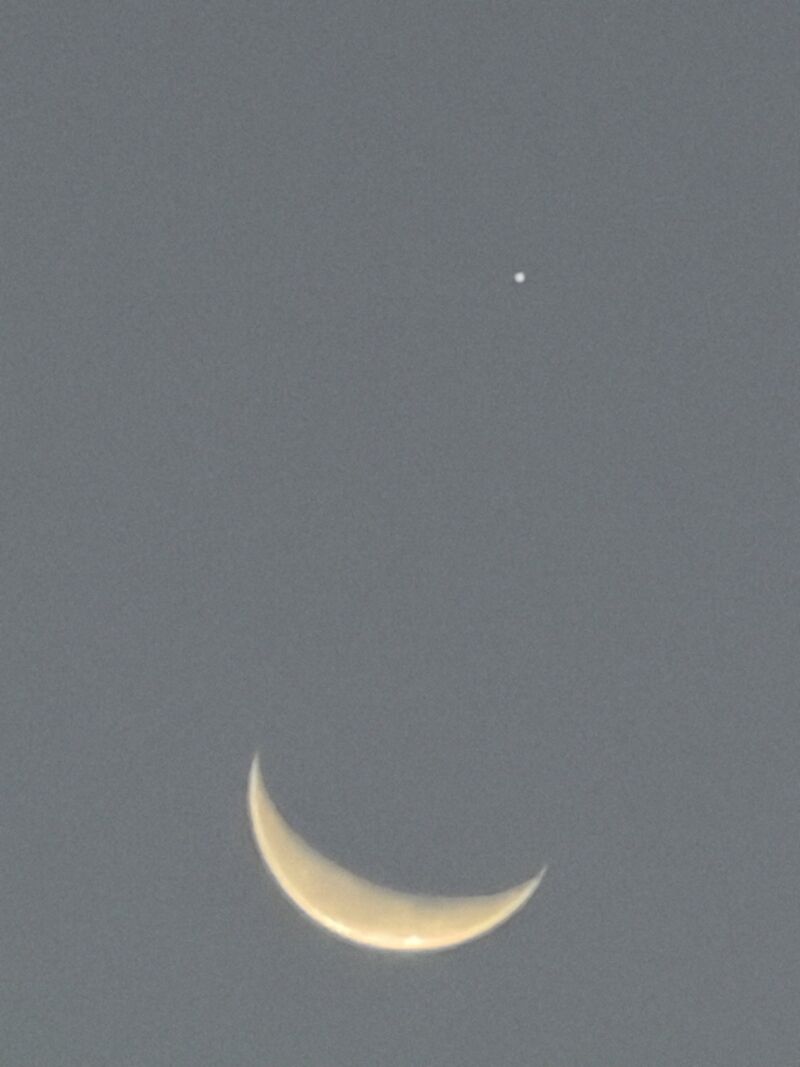
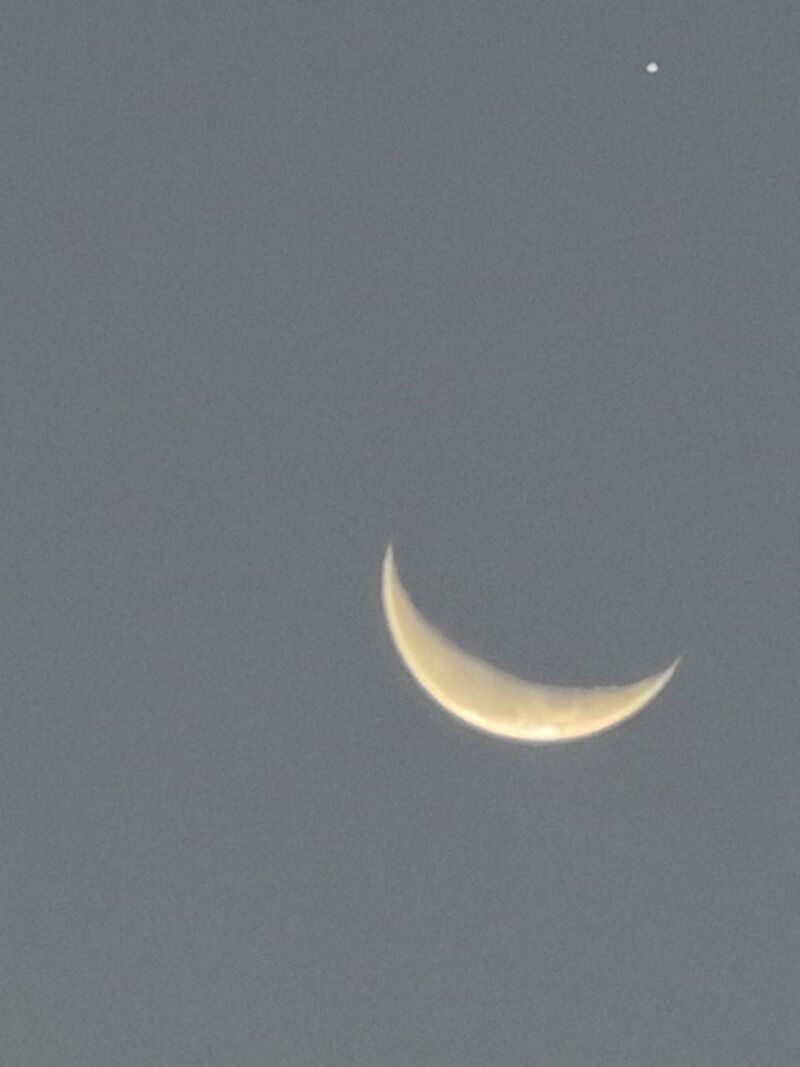
I’m Steven Ortiz, building MoonCam: a camera on the Moon’s near side for a long-duration public view of Earth, with timestamped mission data anyone can verify. It’s day one, and I’m grateful for your support. #MoonCam #Space

Donate to Help Launch MoonCam: Earth Live from the Moon, organized by Steven Ortiz
MOONCAM — Earth Live From the Moon My name is Steven Ortiz, and I… Steven Ortiz needs your support for Hel...
gofund.me