
Attention Space Tourists: Seats Available
A memorandum of agreement between the Boeing Company and space tourist company, Space Adventures, may lead to passenger seats available on Boeing’s Crew Space Transportation-100 (CST-100) spacecraft to LEO. Boeing and Space Adventures have not yet set a price per seat...Greenhouse for the Moon, Mars Demonstrated
How does your garden grow…if you’re on the Moon or Mars? Answering that question is on the scientific menu of researchers at the University of Arizona (UA) Controlled Environment Agriculture Center (CEAC). They are demonstrating that plants from Earth could be grown...Mars Rover on a Roll
NASA’s Mars Exploration Rover Opportunity continues its trek toward the long-term destination of Endeavour Crater. The camera system toted by the robot can view portions of Endeavour Crater’s rim on the horizon. During stops, Opportunity is also using its microscope...Space Station to Probe for Antimatter
The largest scientific instrument to be installed on the International Space Station (ISS) is being readied for flight to the orbiting complex early next year. The Alpha Magnetic Spectrometer (AMS-02) is a state-of-the-art particle physics detector. The AMS-02 will...China Readies Next Moon Orbiter
China is on track to launch its next Moon orbiter – Chang’e-2. The lunar probe is to be launched at the end of the year, according to Xinhua, a Chinese news agency. Chang’e-2 follows China’s first lunar mission, a spacecraft that carried out 16-months of research...Desert RATS Rover Mobile, but Rustic
Astronaut Stan Love and NASA geologist Jake Bleacher have wrapped up their Desert RATS Space Exploration Rover test drive with some pretty down to Earth impressions of the prototype for a mobile habitat that would enable new generations of explorers to traverse the...First Photo! NASA Deep Impact Spacecraft Eyes Comet Target
Sixty days before its flyby, NASA’s Deep Impact spacecraft has snapped a picture of its quarry – comet Hartley 2. The spacecraft is on track for a November 4 flyby of the comet, ready to inspect Hartley 2 for over two months. The spacecraft is on an extended...Asteroids – Tantalizing Targets for Exploration
Thanks to data from NASA’s Spitzer Space Telescope, scientists are finding out that asteroids somewhat near Earth – termed Near-Earth Objects, or NEOs – come in all sorts of colors and compositions. Getting to know these space rocks is a step closer in dispatching...James Webb Space Telescope Task: Spotting Exo-planet Volcanoes
One new assignment for NASA’s James Webb Space Telescope: Spot erupting volcanoes on rocky worlds orbiting distant stars. The James Webb Space Telescope (JWST) is a large, infrared-optimized space telescope, scheduled for launch in 2014. JWST will find the first...Space Talk

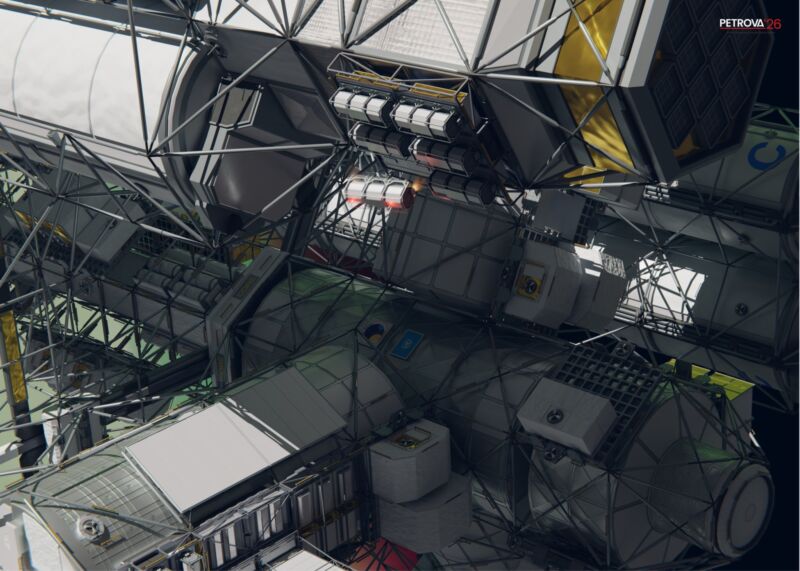
On its way out of Adrian, falling equipment from the Hail Mary punctured multiple Astrophage Thermoelectric Generators, causing the fuel to escape & putting the ship in a spin - forcing the crew to jettison the damaged ATGs
#projecthailmary #phm #space #scifi #toughsf #hardsf
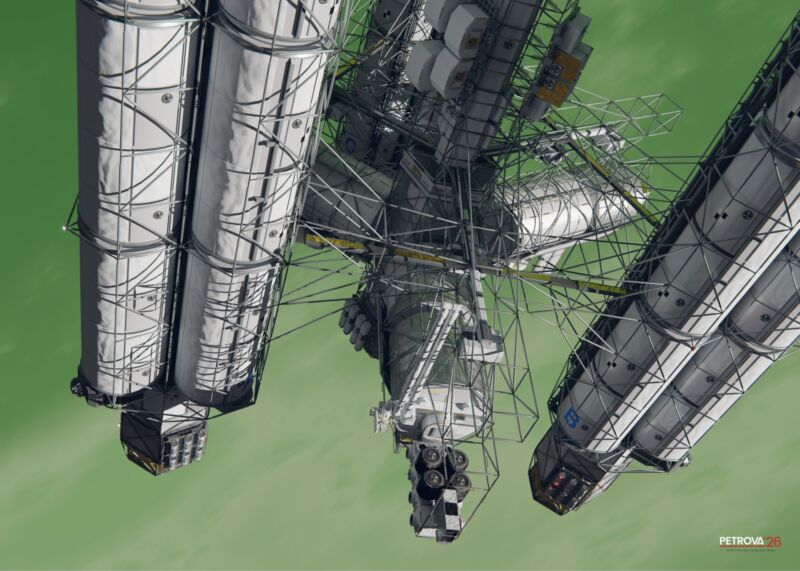
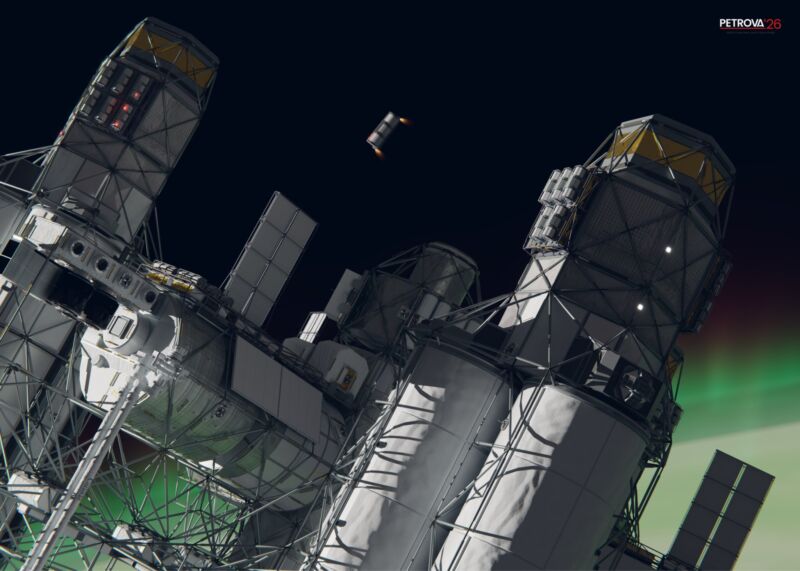
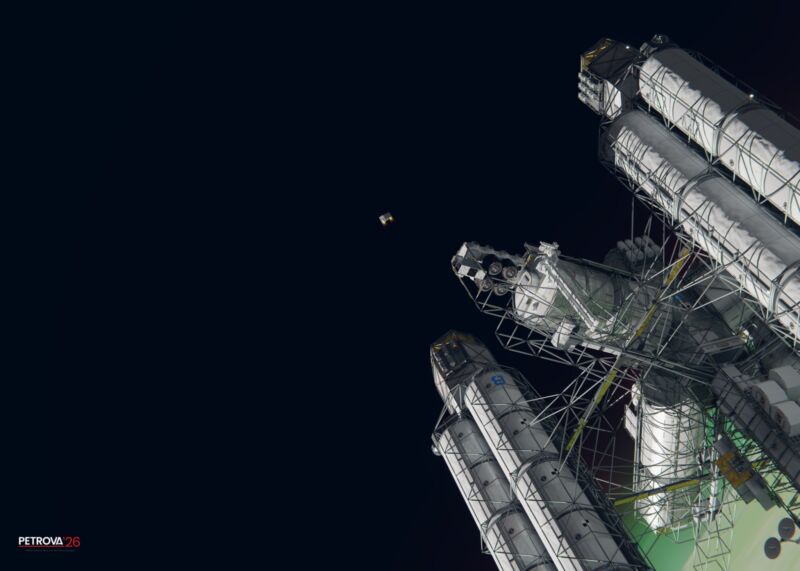

The sampler coming is up & the Hail Mary is deeper in Adrian's atmosphere
An issue w/ the ship's attitude causes a sudden change in trajectory
The shift in g-load rips equipment off mounts which tumble & strike the propulsion housing
#phm #projecthailmary #toughsf #hardsf #scifi
@torybruno @elonmusk #space @blueorigin @Soph_astro @Astro_Jessica
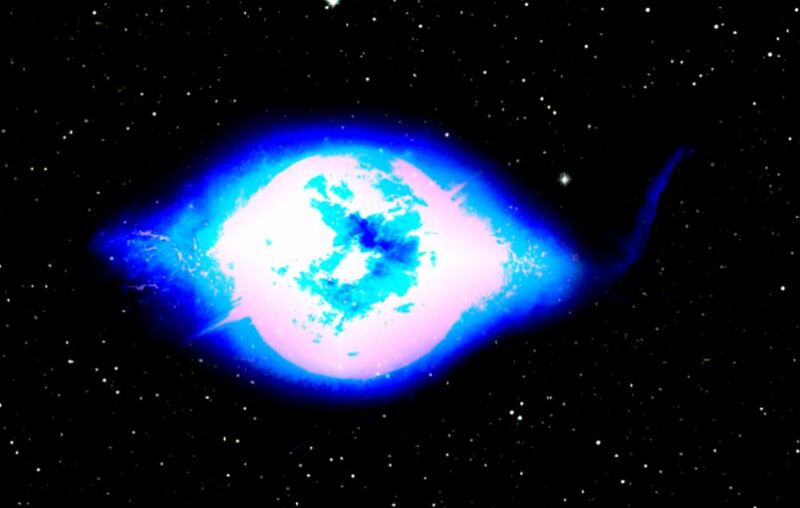
This is a kind of cosmic ambushdwarf.....
in this cosmic ambush, a white dwarf pounces on a gas giant and devours it....

Best interns on Earth! 🫶🌎
Whether they’re launching weather balloons, flying on a NASA aircraft, or taking measurements in the field, @NASAInterns help us learn more about the planet we call home.
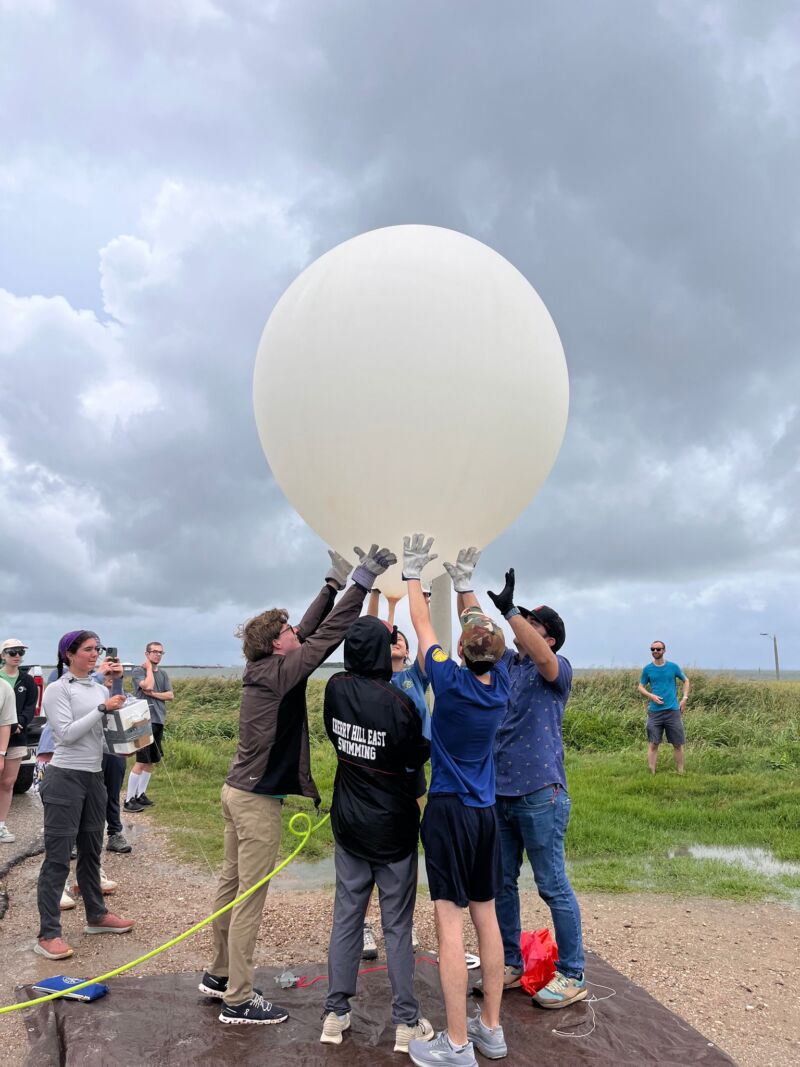
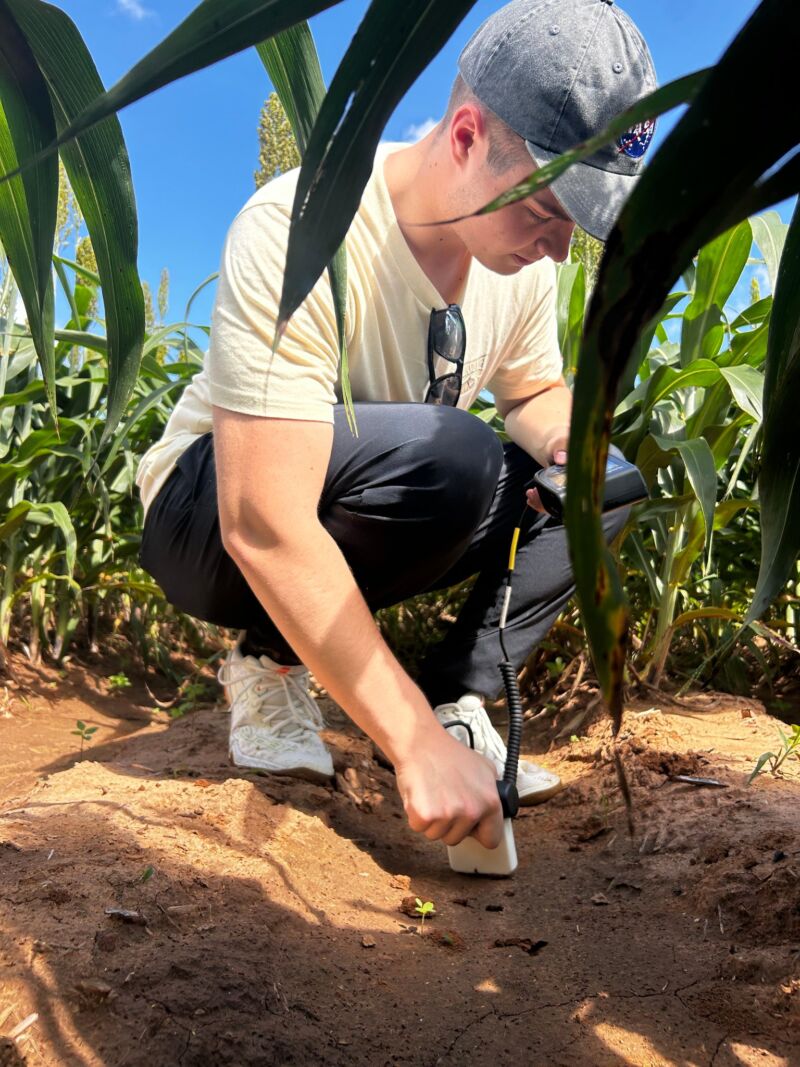
@NASAInterns One of NASA’s many internship opportunities is SARP, an eight-week program for undergrads to get hands-on field experience and participate in science research.
Learn more about SARP: https://go.nasa.gov/4pOqW6d

@NASAInterns Not into STEM? No problem!
With tons of internships to choose from, there’s something for everyone. Come work with us: https://go.nasa.gov/4xwVA79

Dear @HoustonTexans Me and my crew are a Go Too!!! #ARTEMIS #DEMECO #DemboyzonKirby #ILLHOLLA
